
Here’s a detailed overview of Katonga Wildlife Reserve, Uganda — what it is, what you can see, how to get there, and tips if you plan to visit.
Overview
-
Location: Western Uganda, spanning Kamwenge and Kyenjojo districts, along the banks of the Katonga River.
-
Size: About 207 km² (some sources say ~211 km²)
-
History / Status:
-
Initially gazetted in 1964 as a game reserve to serve as a wildlife corridor between western Uganda and neighbouring countries.
-
Became a Wildlife Reserve under Uganda Wildlife Authority (UWA) around 1996/1998 when the old Game Department merged with Uganda National Parks.
-
Ecosystem & Wildlife
-
Vegetation / Terrain:
-
Mixed habitats: savannah grasslands, wooded grasslands and woodlands, riverine woodlands, seasonal and permanent wetlands, papyrus swamps.
-
Some forest patches along rivers and tributaries.
-
-
Fauna:
-
~40 species of mammals
-
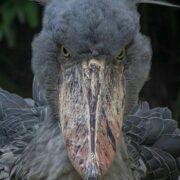
~150+ species of birds, many tied to the wetland habitats.
-
Notable mammals include Sitatunga (semi‐aquatic antelope that is shy), waterbuck, reedbuck, bushbuck, elephant, Uganda kob, primates (black & white colobus monkey, olive baboons), river otters.
-
Larger mammals like zebras, elands, topi were historically present, but many of these were lost through poaching and habitat encroachment. Some have been reintroduced (e.g. impala, zebra) to boost wildlife numbers.
-
Things to Do
-
Guided Nature Walks / Hiking Trails:
There are several trails — e.g. Sitatunga trail, Kisharara trail, Kyeibale trail — each giving different habitat experiences (wetland edges, savannah, forest sections, riverine areas). -
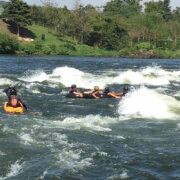
Canoe / Boat Trips:
Especially through the wetlands / papyrus swamp areas. These allow you to approach animals like sitatungas, river otters, see wetland birds, etc. -
Bird Watching:
Very good for wetland‐dependent species, riverine birds, and a wider variety during wet seasons.
Though the density is less compared to larger parks, with the restocking work there are good sightings of mammals (waterbuck, elephant etc.), especially along trails and near water. -
Community / Cultural Visits:
Opportunity to engage with local communities, learn about their traditions, livestock herding (Ankole cattle), etc.
Getting There & Best Time
-
Access:
-
From Kampala: ~200‑km drive to Kyegegwa town, then about 42 km south via sign‑posted dirt roads to the reserve entrance.
-
From Kibale NP via Kamwenge / Ibanda also possible.
-
Road conditions may be poorer in rainy seasons; a 4×4 may be advisable for some sections. (Note: some sources mention rough roads near entrance from Kalwreni / Mparo)
-
-
Best Time to Visit:
-
Dry seasons: December‑February, June‑September are considered good for wildlife & access.
-
Wet seasons bring more birds & lush vegetation but also more difficult travel, maybe muddy paths.
-
Conservation & Challenges
-
In past decades, Katonga faced serious challenges: poaching, encroachment by agriculture and cattle grazing, loss of wildlife (e.g. zebra, topi, eland) in many areas.
-
Around 2014 there were efforts to evict encroachers.
-
Translocation/restocking efforts have been done (e.g. impalas, zebras) to revive populations.
We will be glad to host you and make you trip the best!