
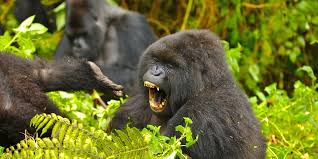
Gorilla habituation in Uganda offers an extraordinary encounter with mountain gorillas—spending up to four hours with a semi-habituated gorilla family under the supervision of researchers and rangers.
-
What Is Gorilla Habituation?
-
A gradual process over 2–3 years in which a wild gorilla family becomes accustomed to human presence. During this time researchers and park staff visit them daily, mimicking behaviors and gradually reducing distance to ensure minimal stress
-
The process is exclusive to Uganda, specifically in the Rushaga sector of Bwindi Impenetrable National Park. Only the Bikyingi and Bushaho gorilla families are currently open for habituation tourism
The Experience: What to Expect
-
Group size is limited: Only four visitors per group per day, guided by researchers, trackers, and rangers
-
The trek starts early and can take several hours depending on terrain. Once gorillas are located, visitors spend up to four hours observing behaviors like feeding, nesting, and social interaction—much deeper than the usual 1-hour gorilla trekking
-
Expect a physically demanding hike through dense, muddy forest—good fitness and proper gear are essential .
-
Only about 8 habituation permits are issued daily—4 per gorilla family. Booking is recommended at least 6 months in advance, especially during peak seasons of June–Sept, Dec–Feb, or Dec–Mar
Why Choose Habituation Over Trekking?
- More time with gorillas—four hours instead of one.
- Intimate group size ensures a deeper experience.
- Real-time learning: Observe conservationist teams, primatologists, and trackers interacting with gorillas in their natural environment
- Stronger conservation impact: Revenue supports gorilla health monitoring and benefits local communities, motivating protection efforts.
A veterinarian interviewed by media highlights how tourism helps fund health care and reduces threats from illness and poaching
Important Preparation & Guidelines
- Must be 15+ years old to participate
- Maintain a safe 7 m distance from gorillas; follow the guides’ instructions carefully
- Do not visit if unwell: Gorillas are highly susceptible to human respiratory diseases
- Packing essentials:
- Waterproof hiking boots, rain gear, long sleeves to guard against thorns and insects.
- Backpack with water, snacks, camera (no flash), binoculars, and insect repellent
Summary
Gorilla habituation in Uganda is the only place in the world offering visitors the chance to participate in the long-term process of introducing wild gorillas to humans, spending several immersive hours with them in a guided, conservation-led setting. Though more strenuous and expensive than regular trekking, it provides unique insight into gorilla behavior, contributes to their protection, and supports local communities.
If you’d like advice on planning your visit—choosing accommodation, arranging transport from Kampala/Entebbe, or arranging permits—just let us know!