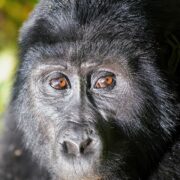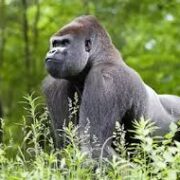

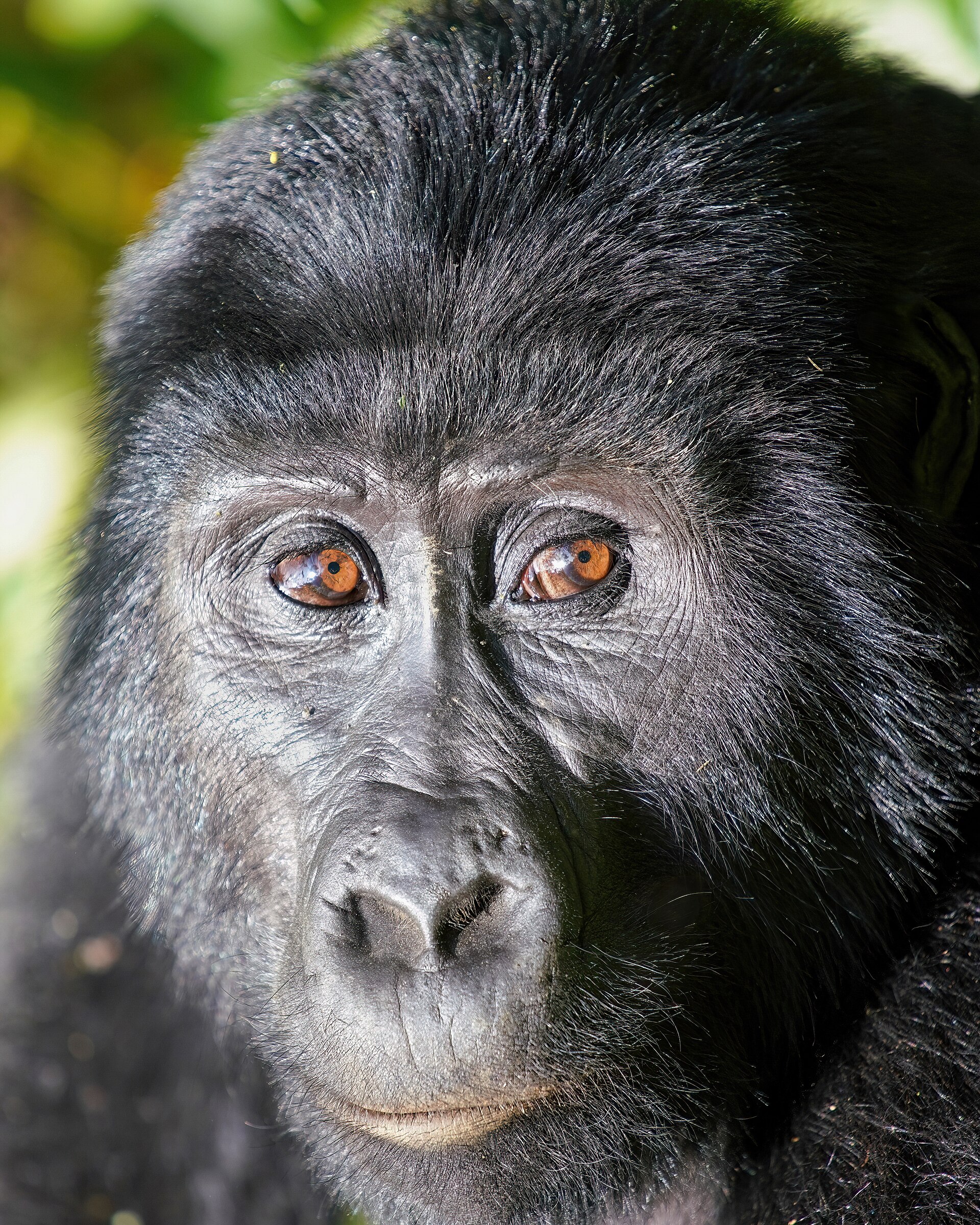
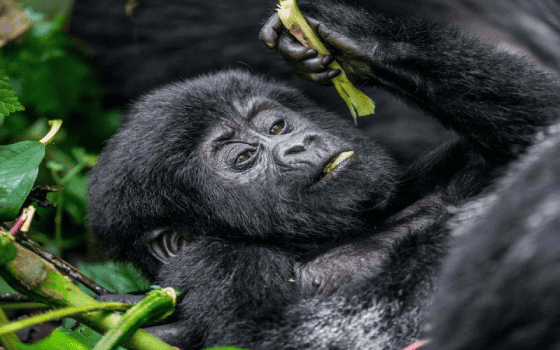

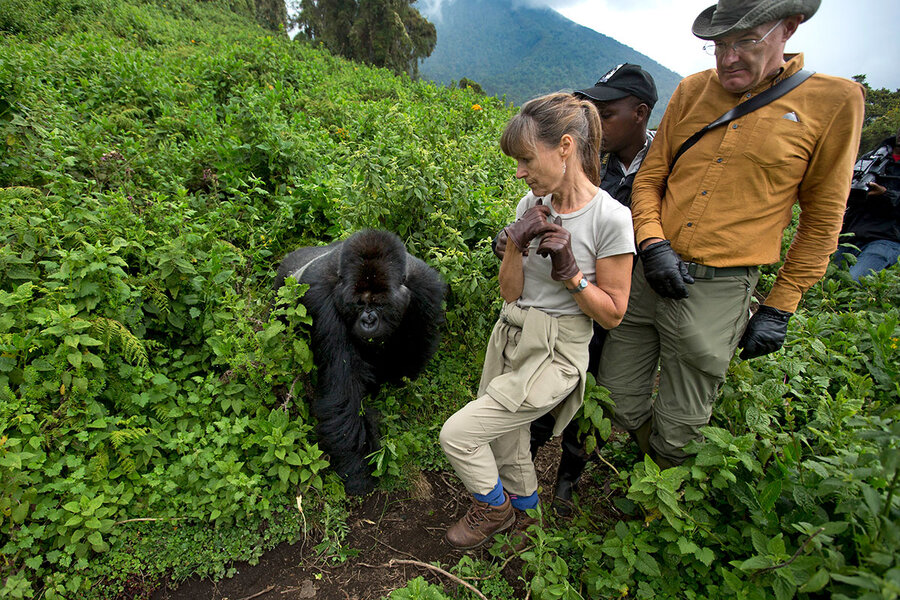
Gorilla habituation is a special wildlife experience where visitors spend extended time with wild mountain gorillas while researchers gradually accustom them to human presence.
In Uganda, this is done in Bwindi Impenetrable National Park — home to nearly half of the world’s remaining mountain gorillas.
What Is Gorilla Habituation?
Habituation is the process of training a wild gorilla family to tolerate humans without feeling threatened.
Normally, a standard gorilla trek allows:
- 1 hour with a fully habituated gorilla family
But the Gorilla Habituation Experience (GHE) allows:
- Up to 4 hours with a semi-habituated group
- You join researchers, trackers, and rangers
- You observe natural behaviors for a much longer time
It’s more immersive and less crowded.
Where It Happens
Currently, gorilla habituation is offered only in:
- Rushaga Sector, southern Bwindi
It is not available in:
- Mgahinga Gorilla National Park (standard trekking only)
Permit Cost (Uganda)
- USD $1,500 per person (Foreign Non-Residents)
- Fewer permits available per day (usually 8 per group)
Standard gorilla trekking permit:
- USD $800 (1 hour visit)
What to Expect
✔ Early morning briefing
✔ Hike through thick rainforest (can be challenging)
✔ Spend extended time observing:
- Feeding
- Nest building
- Social interactions
- Silverback dominance behavior
- Juvenile play
✔ Return in afternoon
Who Should Choose Habituation?
It’s ideal for:
- Wildlife photographers
- Documentary lovers
- Researchers
- Travelers wanting deeper experience
- People who don’t mind longer hikes
It is more physically demanding than regular trekking.
Why It’s Special
Mountain gorillas are endangered, and Uganda protects them carefully. Habituation helps:
- Monitor gorilla health
- Prevent poaching
- Increase tourism revenue for conservation
- Support local communities
Uganda is one of only three countries where you can see mountain gorillas (along with Rwanda and DR Congo).